
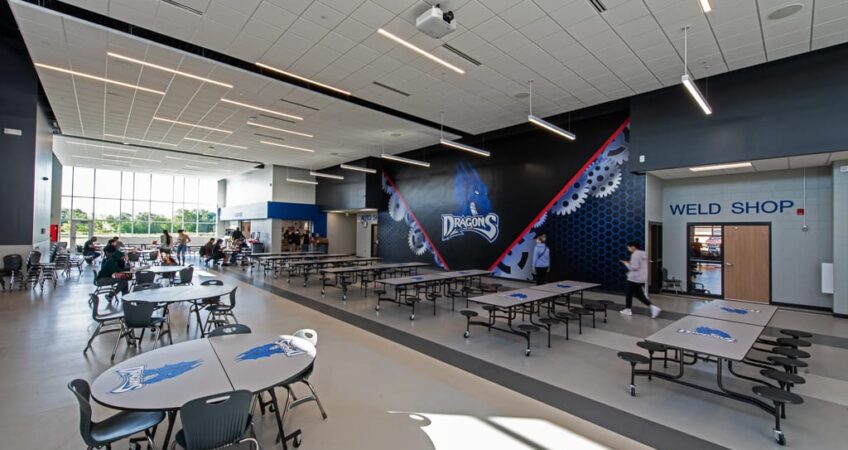
Taking on a school construction project—whether it’s a remodel, addition, or new build—can feel like a lot. You’re juggling budgets, timelines, community opinions, and the fact that school often needs to keep running while work is happening.
A good general contractor for school construction doesn’t just manage the build. They make the process easier, clearer, and far less stressful.
Below are six things schools should look for in a general contractor, along with questions you can ask to make sure a contractor is truly set up to support your school, staff, and community.
1. Support for the Local Community
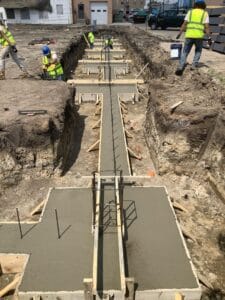
School projects are funded by the community, so it’s fair to expect that the benefits stay local whenever possible. The right construction partner should make a real effort to involve local businesses and trades—not just say they do.
Why this matters:
When project dollars stay local, the community feels the impact immediately. Local subcontractors and vendors are often more responsive, easier to coordinate with, and more invested in the project’s success. This can help the project move faster, reduce delays, and build stronger support from the community.
Questions to ask a potential contractor:
- Do you submit advertisements for local trade partners?
- Will you work with our preferred or exclusive subcontractors?
- Do you open local lines of credit with vendors like lumberyards, concrete suppliers, or hotels when a project starts?
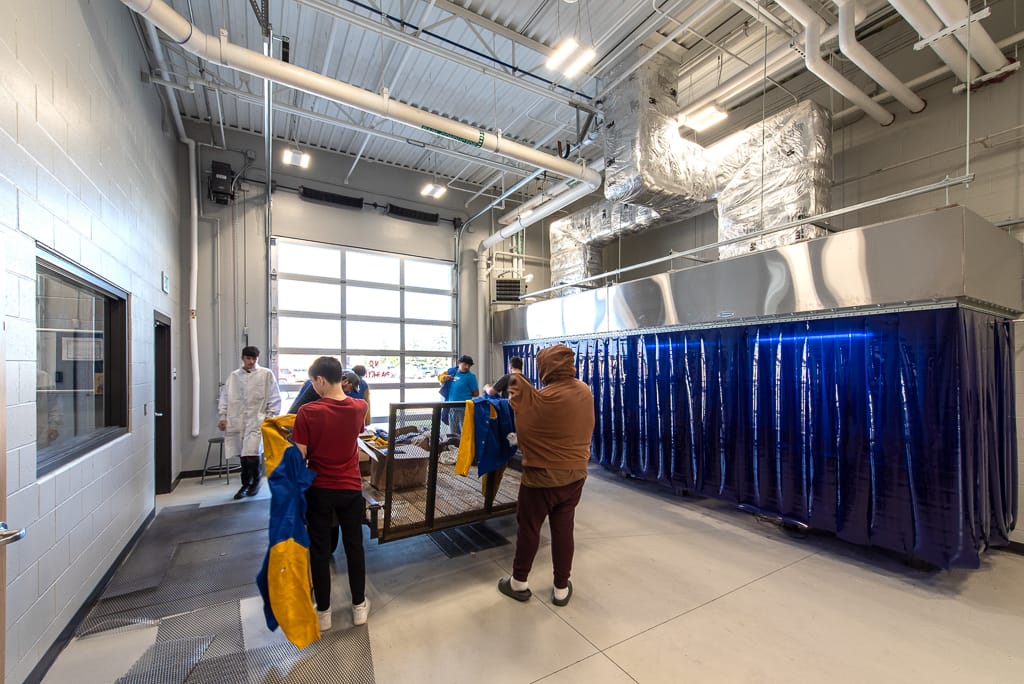
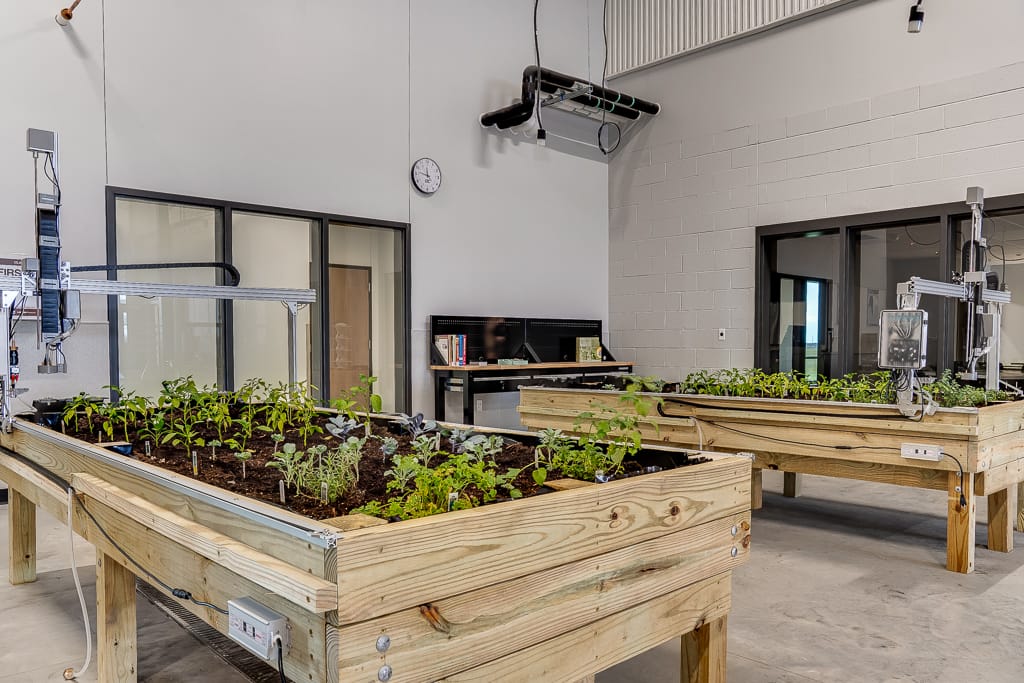
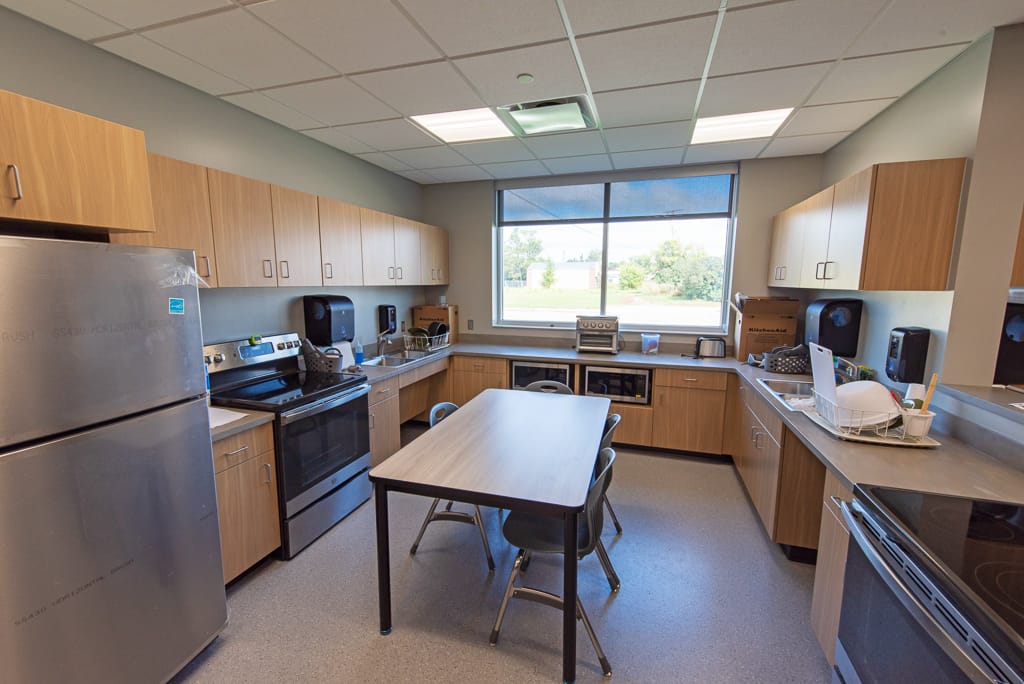
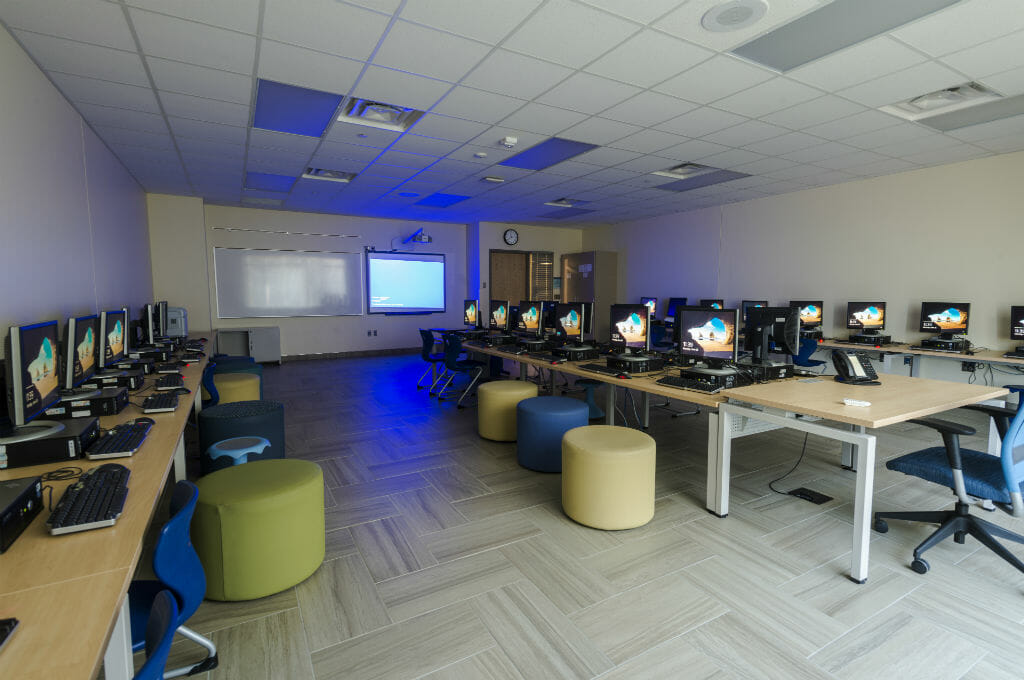
2. Experience With Specialized School Spaces
Schools don’t need cookie-cutter buildings. You should expect a partner who understands how students learn, how staff work, and how space gets used every single day.
Why this matters:
Specialized spaces function better, last longer, and reduce the need for future renovations. A contractor who understands educational design can help you build learning environments that truly support students, staff, and the school’s long-term goals.
Questions to ask a potential contractor:
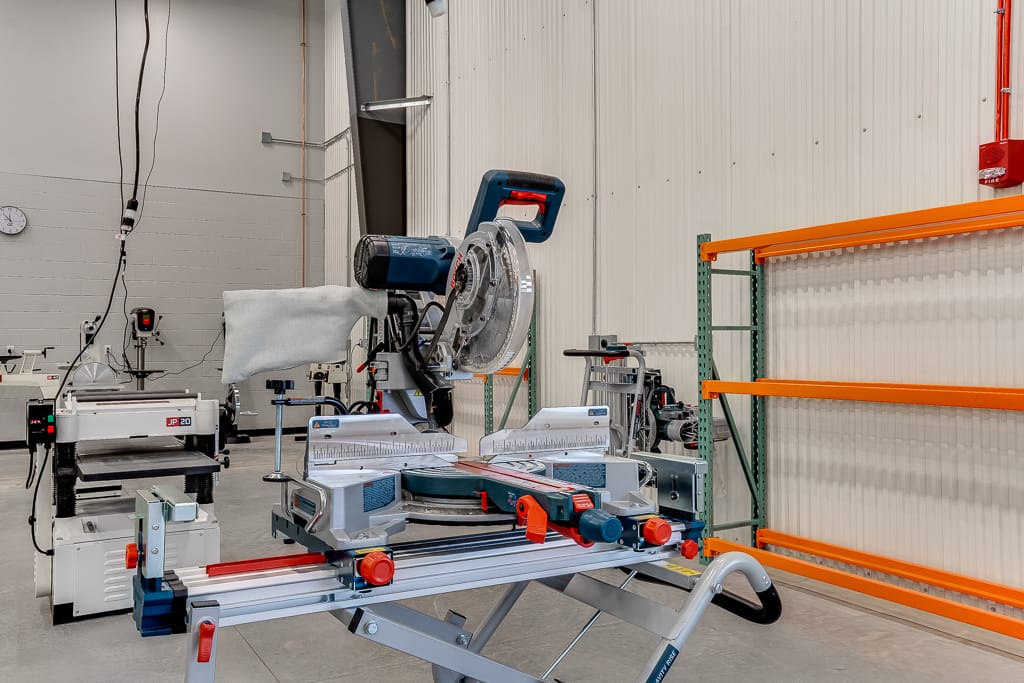
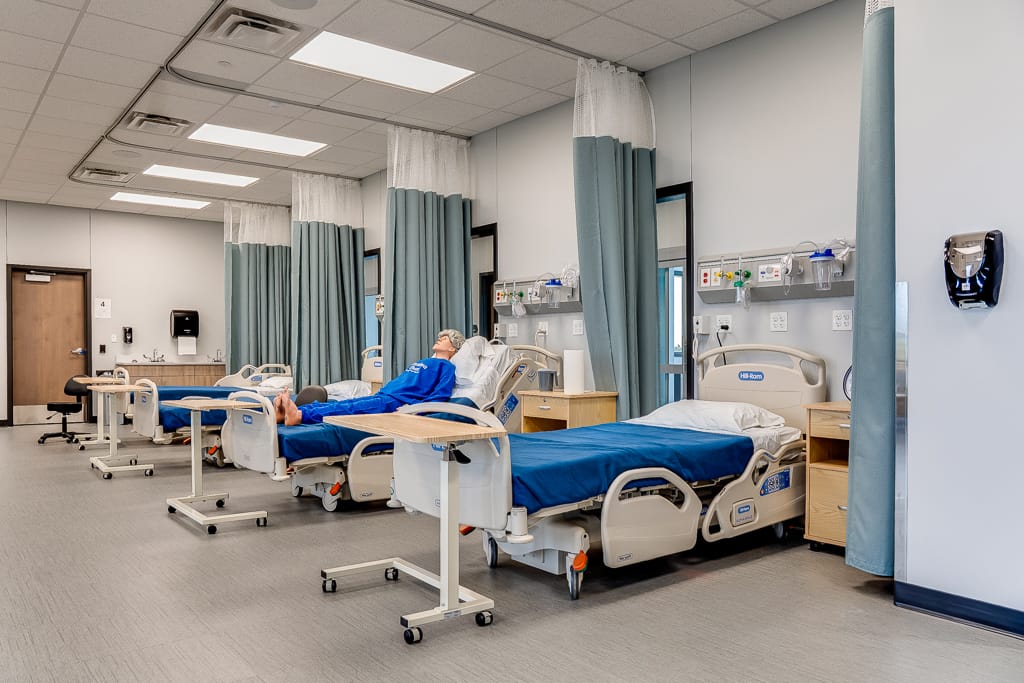
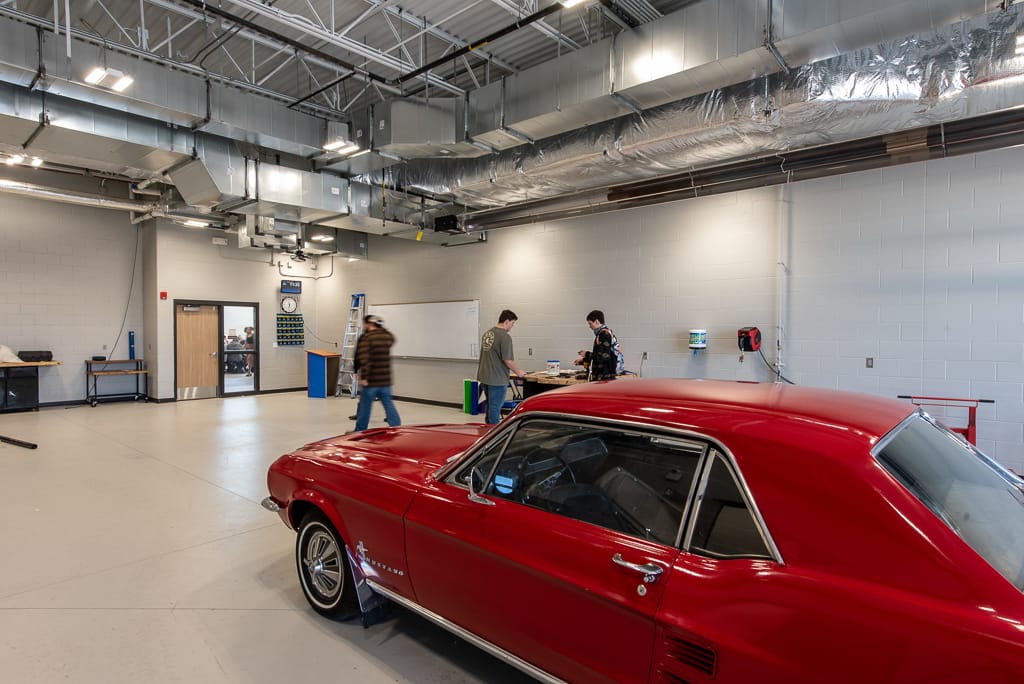
- What experience do you have with CTE centers or career-focused learning spaces?
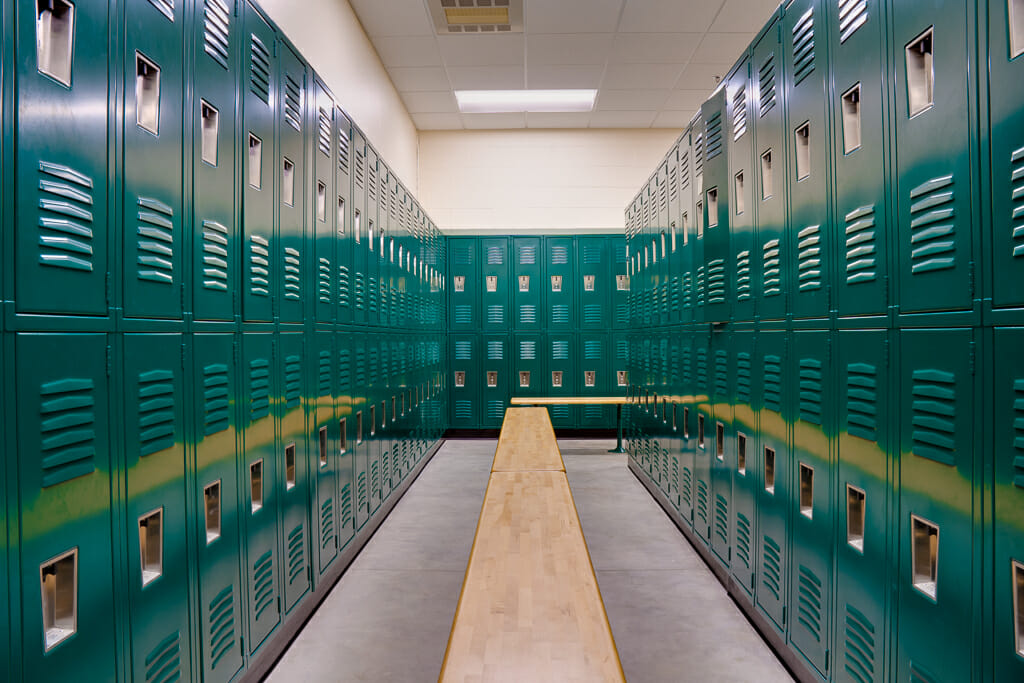
- Have you built athletic additions like gyms, locker rooms, or weight rooms?
- Can you share examples of flexible-use spaces or multi-functional school layouts?
- How do you approach space planning for small or rural schools?
3. Help Building Community Buy-In
Community support can make or break a school construction project. A strong education construction partner should help you communicate clearly and confidently with the public.
Why this matters:
When stakeholders feel informed and heard, projects move forward with fewer surprises and less opposition. Clear communication helps reduce misinformation and builds trust, which can be especially important during bond votes or community meetings.
Questions to ask a potential contractor:
- Will you attend school board, bond, or community meetings if needed?
- Can you help explain costs, timelines, and the construction process to the public?
- Do you work with architects to create visuals or concept boards we can share with the community?
4. A Plan for Working in Occupied Schools
Most school construction doesn’t happen in empty buildings—and that shouldn’t be treated as an afterthought. You should expect your construction partner to be experienced in working around students and staff.
Why this matters:
Construction in occupied schools needs extra care to keep students safe and learning uninterrupted. When a contractor has proven containment methods, thoughtful scheduling, and flexible work hours, the school day can stay as normal as possible and staff can focus on teaching instead of disruptions.
Questions to ask a potential contractor:
- How much experience do you have working in occupied schools?
- What methods do you use to control noise and dust during construction?
- Can work be scheduled around the school year, such as summer construction or off-hour work?
5. Clear, Transparent Costs and Schedules
School leaders shouldn’t be surprised by budgets or timelines halfway through a project. Transparency should be expected from the very beginning.
Why this matters:
Budget and schedule surprises create stress, slow progress, and make decision-making harder. When costs and timelines are clear early on, schools can make informed choices, avoid surprises, and keep the project moving forward smoothly.
Questions to ask a potential contractor:
- Will you provide cost estimates at each stage of design?
- Do you share subcontractor and vendor pricing openly?
- How often will we receive schedule updates?
- How do you communicate the impact of change orders on cost and timeline?
6. Guidance—Not Just Construction
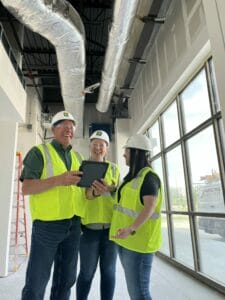
You don’t need to be a construction expert to lead a successful school project. The right partner helps you understand the process and supports you at every step.
Why this matters:
Clear guidance reduces stress for administrators and boards, and leads to better, more confident decisions. When a contractor helps you understand the process early and stays communicative throughout, the project feels more manageable and stays on track.
Questions to ask a potential contractor:
- How do you explain the construction process to clients who don’t work in construction?
- Will you help answer questions during interviews, meetings, and throughout the project?
- How early are you involved in planning and budgeting?
Setting Clear Expectations Makes All the Difference
Education construction projects go more smoothly when schools know what to expect—and ask the right questions early. Setting these six expectations helps protect your budget, your timeline, your learning environment, and your community’s trust.
When a construction partner can confidently meet these expectations, the project isn’t just easier—it’s better for everyone involved.
Let’s Build Something That Lasts
From the first scoop of dirt to long after the ribbon is cut, Comstock Construction is the kind of partner that shows up, follows through, and gets it done right, and that’s why we’re the best general contractor for your school project.
Let’s talk about your next project. Contact us today to get started.